
History
From the past… Reflections on Detroit Lithuanian schools as they entered their fifth decade, 1949–1990. (Draugas, March 9, 2013)
The names of Detroit's Lithuanian Saturday school
In 1949, many Lithuanian refugees from the Second World War arrived in Detroit, most from displaced-person camps in Germany and Austria. At the time, St. George and St. Anthony parish schools served Detroit as schools founded by the first wave of Lithuanian immigrants. Lithuanian had been taught there for decades, but by 1935 instruction had shifted to English. Most first-wave parents had been born and raised in Lithuania and spoke Lithuanian at home. Over time, their children knew less of their parents' language, and non-Lithuanian children also began attending the parish schools.
The new wave of Lithuanian immigrants therefore arrived after Lithuanian was no longer taught in the parish schools. As their children entered American schools, many parents became concerned about their national and cultural education. Lithuanians had already built an extensive school network in the displaced-person camps: in 1945–1946, 20 secondary schools, 114 lower secondary schools, 112 primary schools and 71 kindergartens served about 9,000 Lithuanian young people. When the refugees reached the United States, they hoped their children could retain their Lithuanian identity rather than disappear into the American melting pot.
Detroit Lithuanian Aušra Saturday School
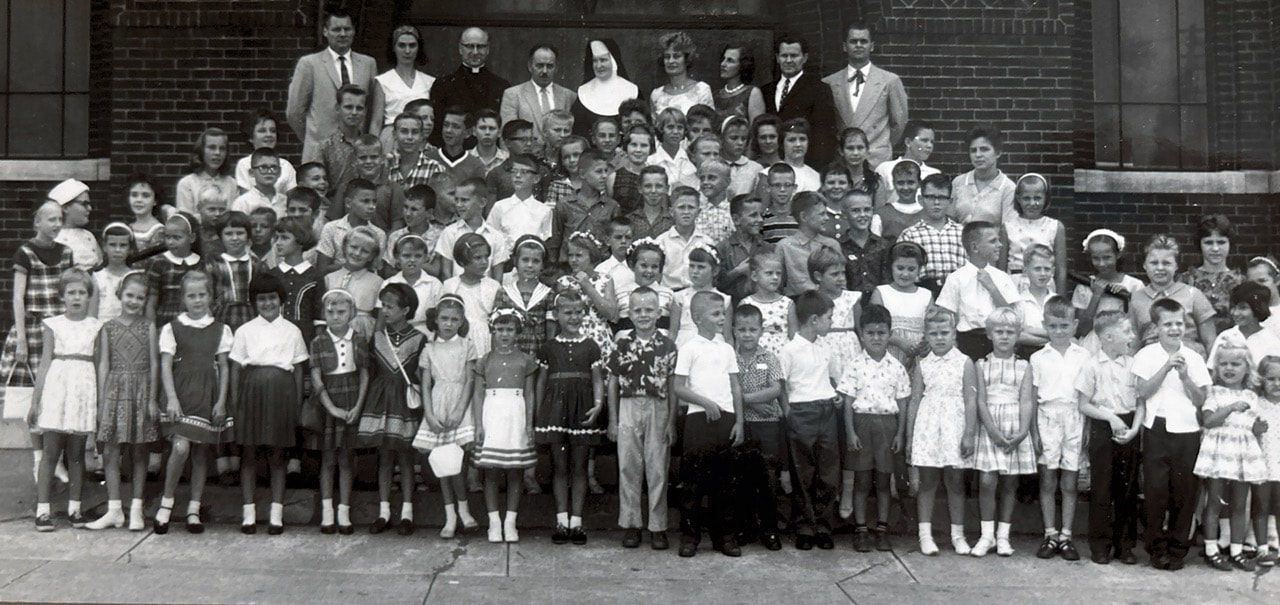
In these circumstances, a Detroit Ateitininkai meeting on October 1, 1949 resolved to establish a Lithuanian Saturday school, named the Detroit Lithuanian Saturday School. Father Ignas Boreišis, pastor of St. Anthony Parish, supported the newcomers and let them use the parish classrooms free of charge on Saturdays. The school opened in November under its first director, Elena Arbačiauskienė (Alė Rūta). When she became ill, Jonas Švoba took over in January. Stasys Sližys taught a separate class for children born in the United States. The school later adopted the name Aušra. Just as the newspaper Aušra had brought light to Lithuanians in Lithuania, this first school in the Detroit community was intended to be a first beacon for the rising generation.
Over time, the surroundings of both the school and St. Anthony Parish began to change. In the 1966–67 school year, Aušra left St. Anthony and began renting classrooms at the public Amelia Earhart School.
Dr. Vincas Kudirka Saturday School
During the 1960s, Detroit Lithuanians increasingly settled in suburbs farther from St. Anthony. Aušra was 15–20 miles away for families in Redford, Dearborn Heights and nearby suburbs, so in 1963 the community established a second school, also in rented public-school classrooms. The parents' committee and teachers named it for Dr. Vincas Kudirka.
Lithuanian-American Community Detroit Chapter School
Both schools received support from the Lithuanian-American Community's Detroit chapter and used new textbooks published by its Educational Council. Having two schools brought advantages—a larger overall enrollment and more parents engaged in Lithuanian community life and school support—but also competition and the financial pressure of maintaining both institutions.
On August 24, 1967, Aušra Saturday School and Dr. Vincas Kudirka Saturday School merged. The combined school was named the Lithuanian-American Community Detroit Chapter School and continued renting space in a public school. The Detroit chapter organized the merger through a committee of parent representatives, school directors and community delegates. Part of Aušra chose not to merge and returned to St. Anthony Parish with 30 students.
Detroit's Žiburys Lithuanian School finds a home at Divine Providence
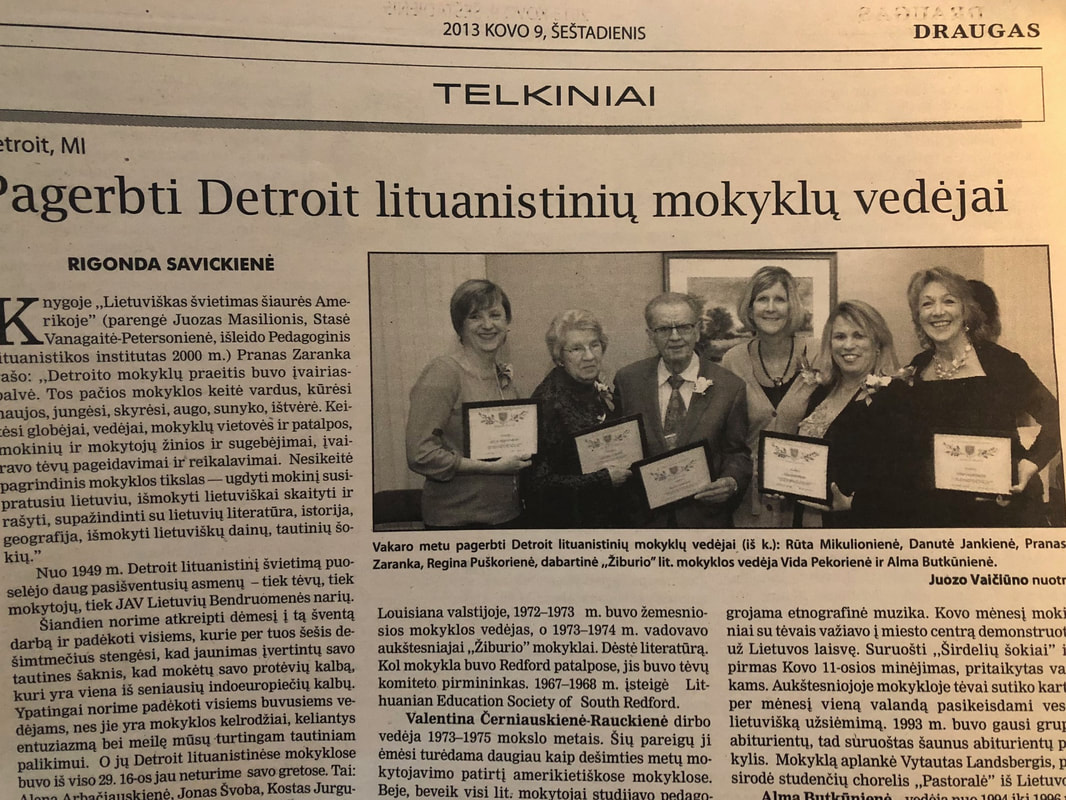
In 1973–1974, the merged school moved into the newly built cultural center at Divine Providence Lithuanian Parish in Southfield, where a small school founded by the Knights of Lithuania was already operating. The school took the name Žiburys and adopted a new emblem: a flame on a hill.
The school has flourished under the parish's care for more than 50 years, celebrating Christmas programs, February 16 commemorations, Mother's Day performances and spring festivals. It has long been a gathering place for choirs, folk-dance groups, athletes, Scouts, Ateitininkai and other youth organizations. The school is also the young heart of Divine Providence Parish, connecting children with preparation for First Communion and Confirmation. As long as it thrives, Detroit can look forward to a Lithuanian future.
School history in photographs
A selection of school-community, teacher and celebration photographs from the 75th-anniversary booklet prepared in 2024.
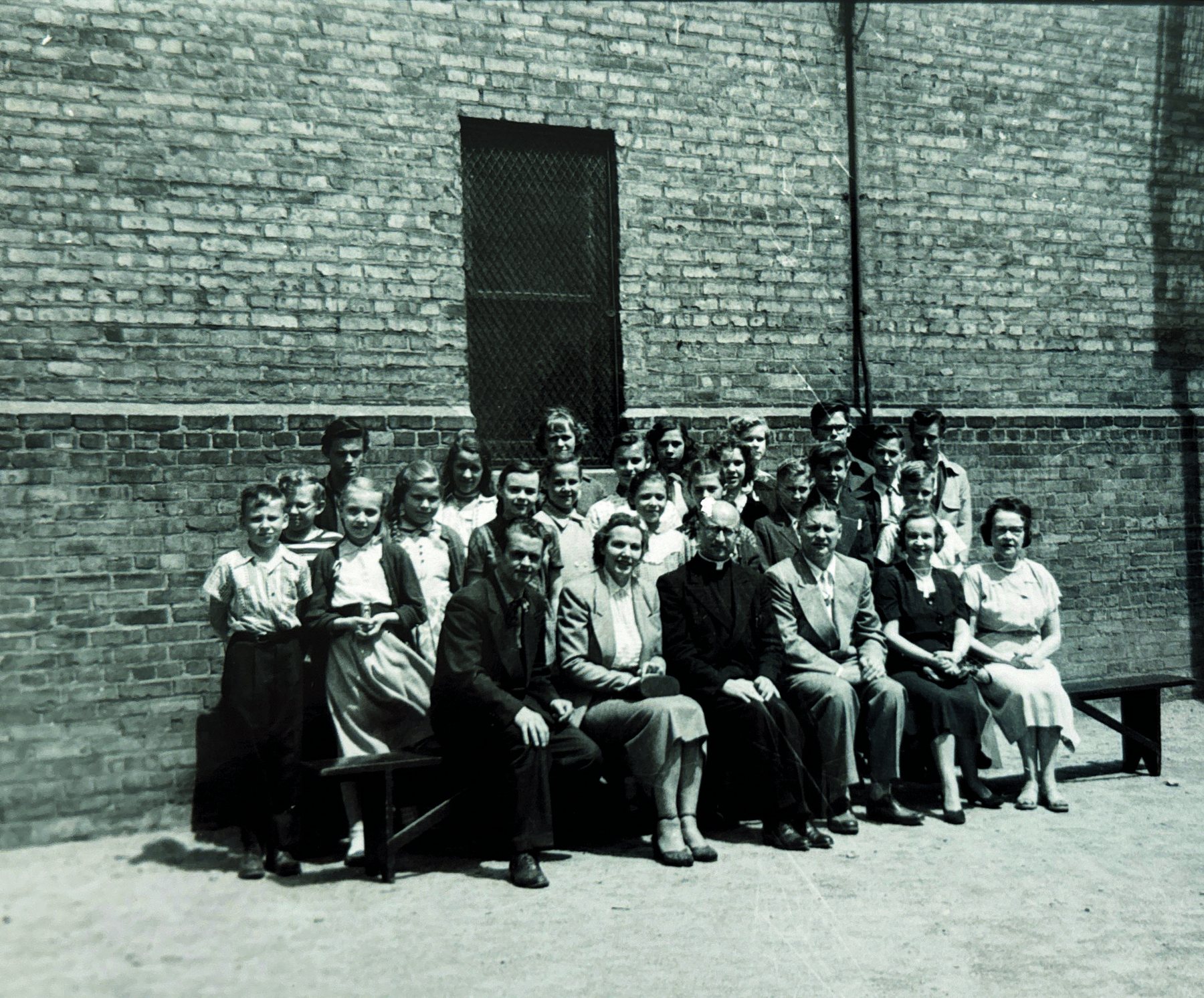
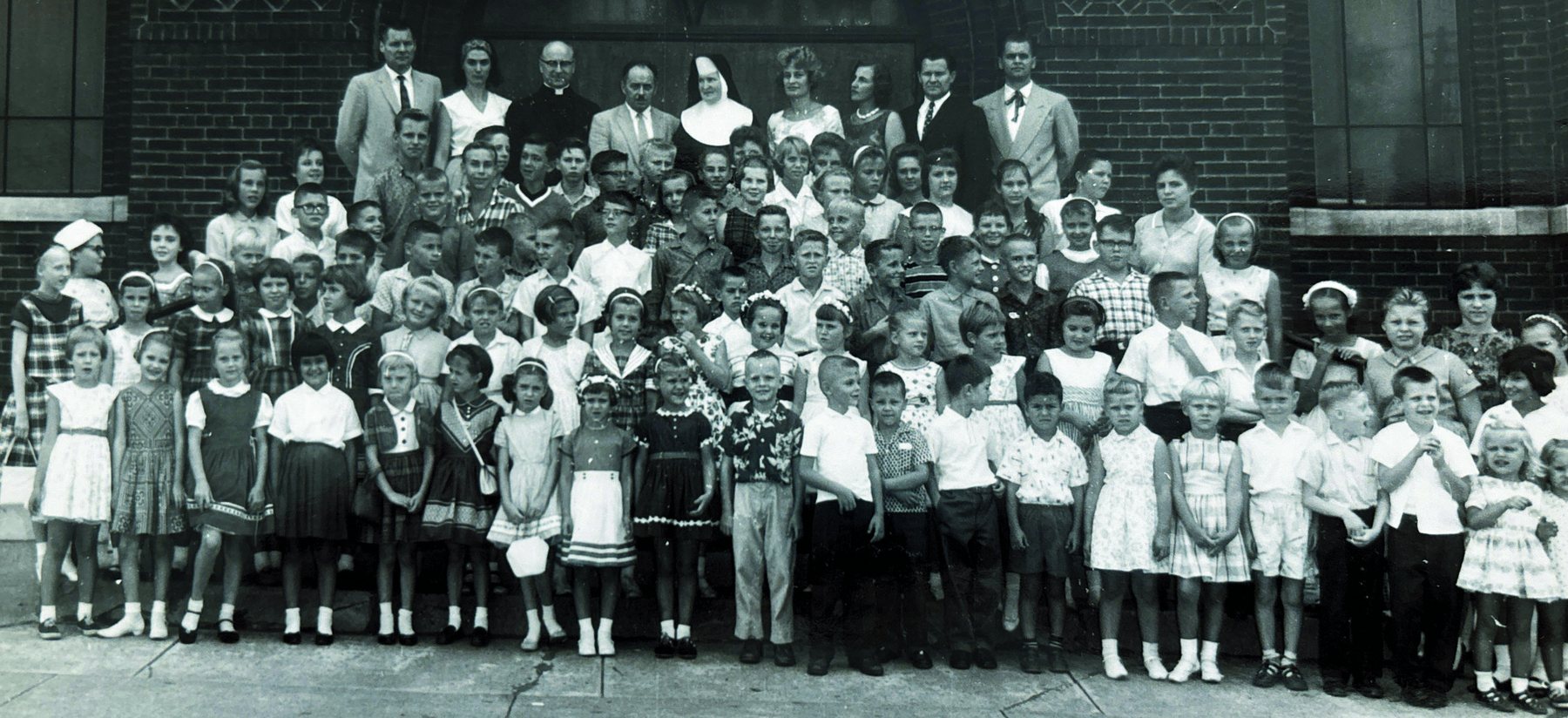
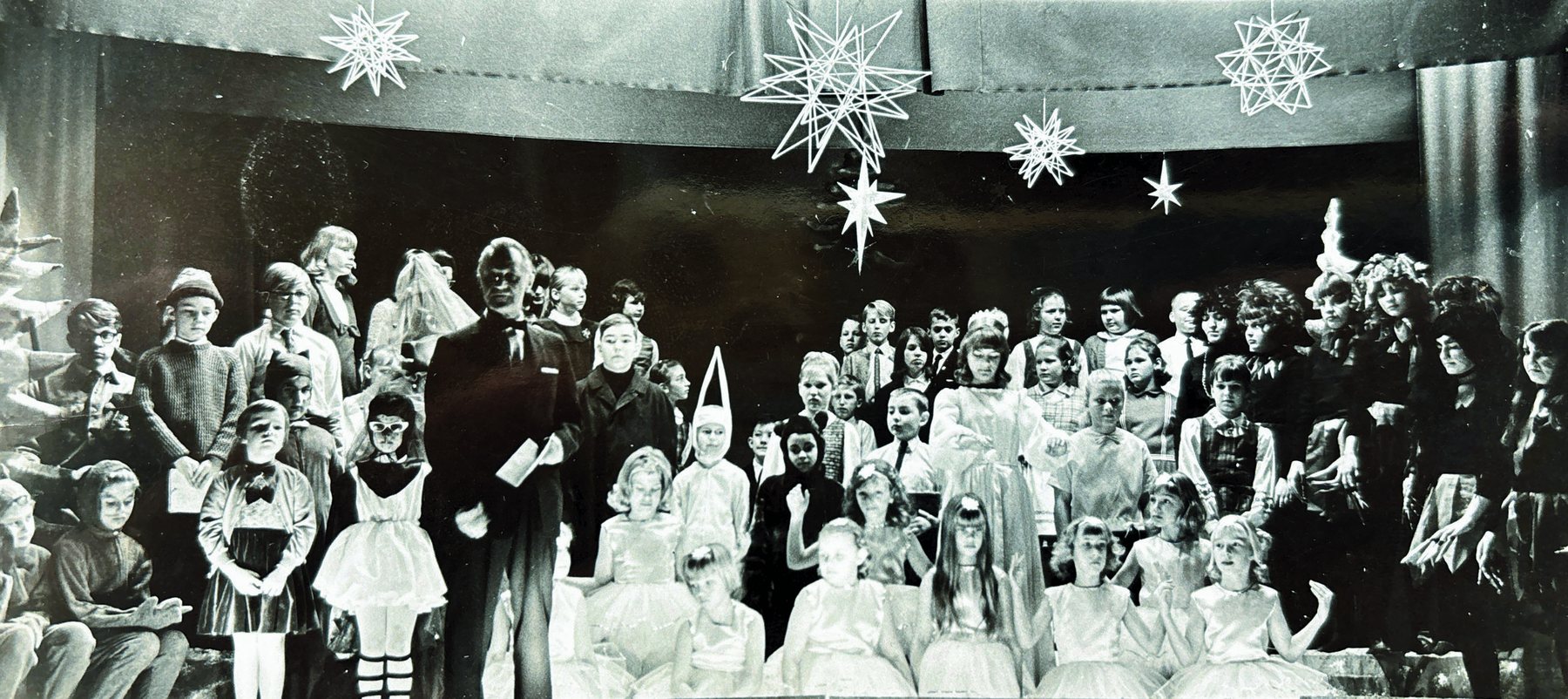
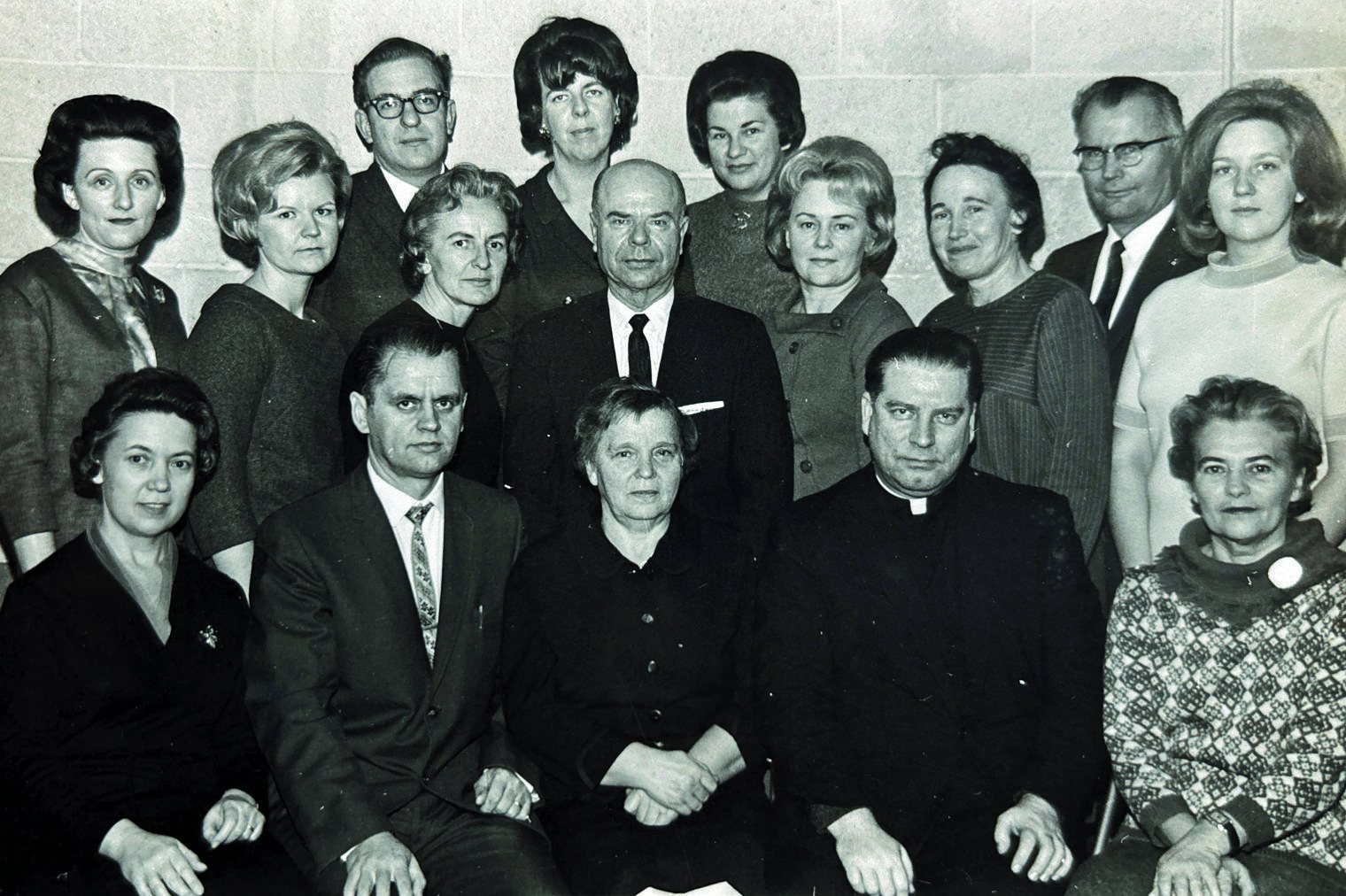
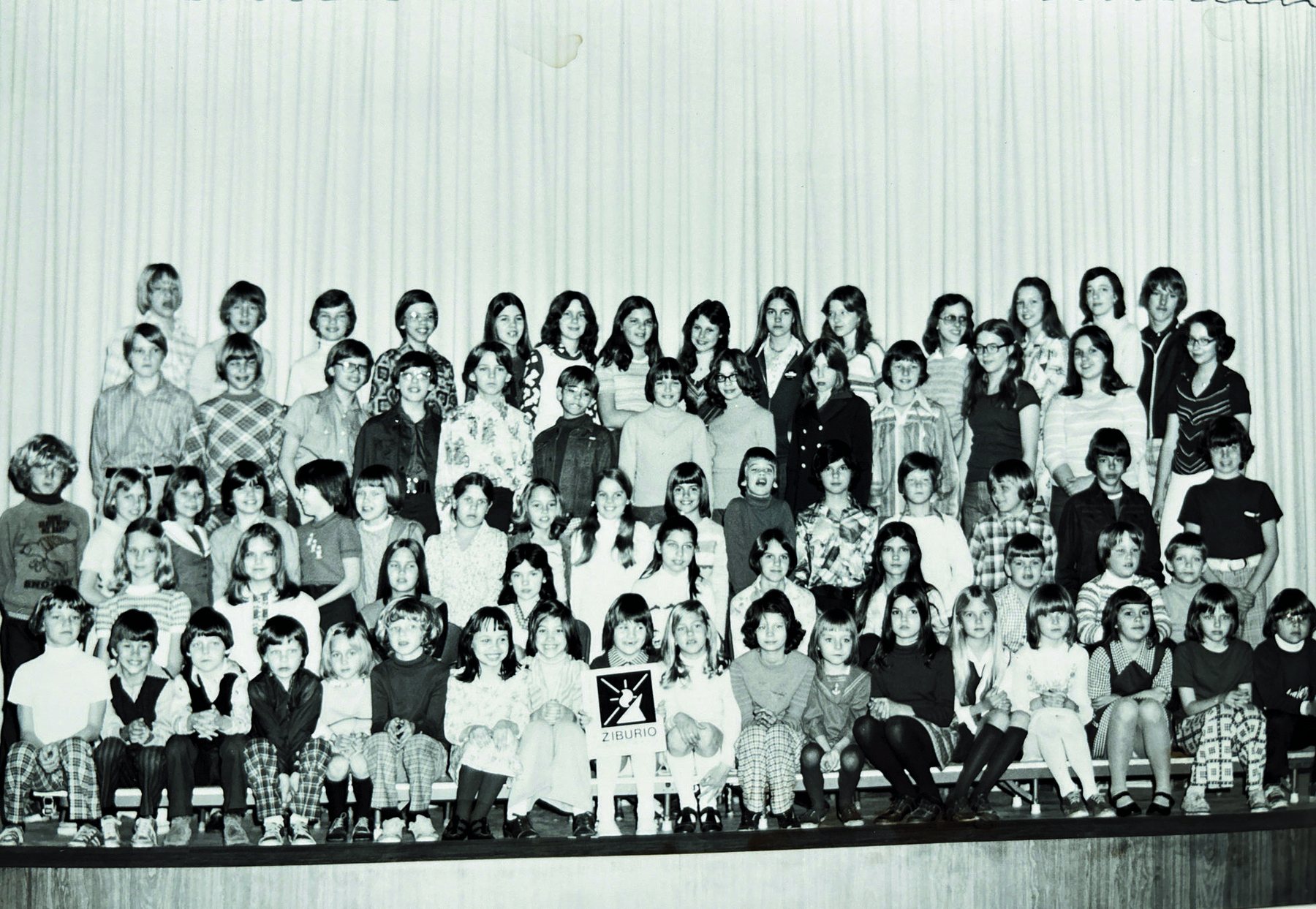
Source: the school's 75th-anniversary booklet, … Iš praeities (2024).